There are moments in Armenian music that remind us why we do what we do—why we sing, why we play, why we hold so tightly to the songs of our ancestors. One of those moments happened recently at Camp Haiastan, when Onnik Dinkjian—yes, the Onnik Dinkjian—came out of retirement at the age of 96 to perform for a new generation of Armenian youth.
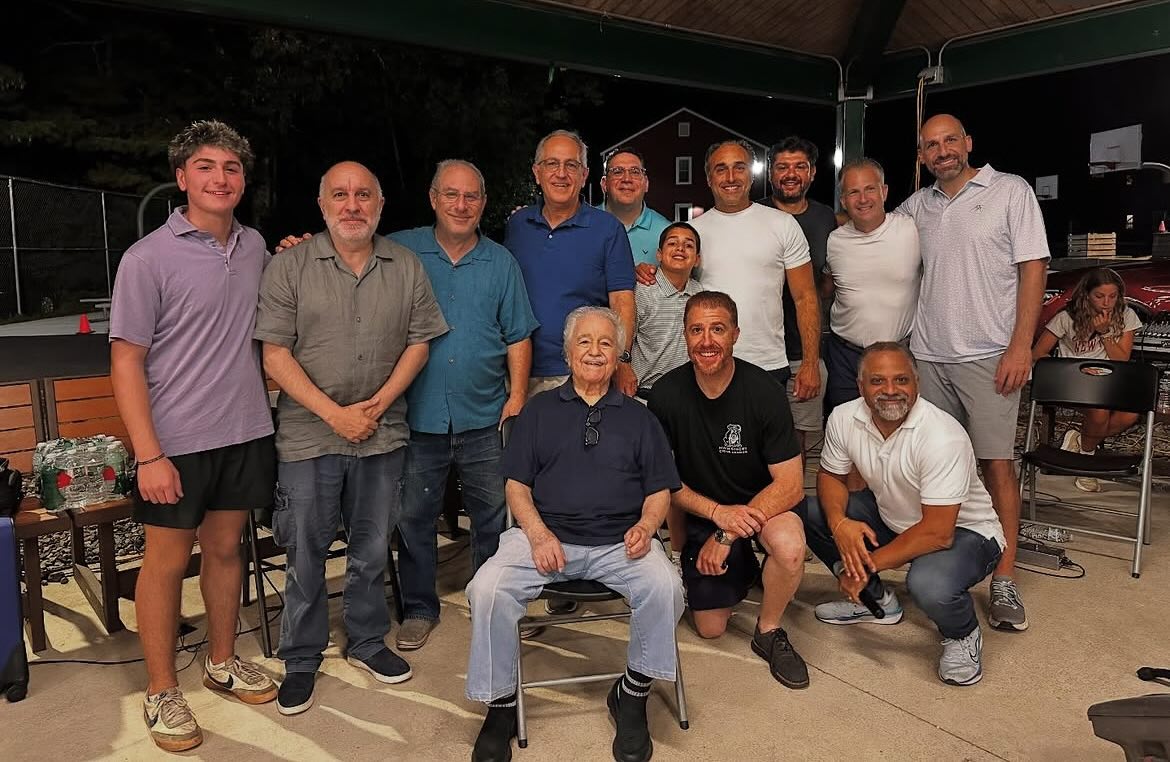
Armenian musicians donating their time to perform at Camp Haiastan
Not only did he sing—he sounded incredible. Strong, clear, and filled with the same soul that has moved so many of us for decades. And he looked great doing it, standing before a crowd of young Armenians who were seeing a living legend not just remembered—but still performing.
I wasn’t there, but oh how I wish I could have been. To be on stage with Onnik, accompanying him, sharing that moment—that would’ve been unforgettable. Thankfully, I saw the videos on social media. They quickly made the rounds—going viral, at least by Armenian standards—and I found myself replaying them, in awe of the voice, the presence, and the energy he still brings at 96 years old.
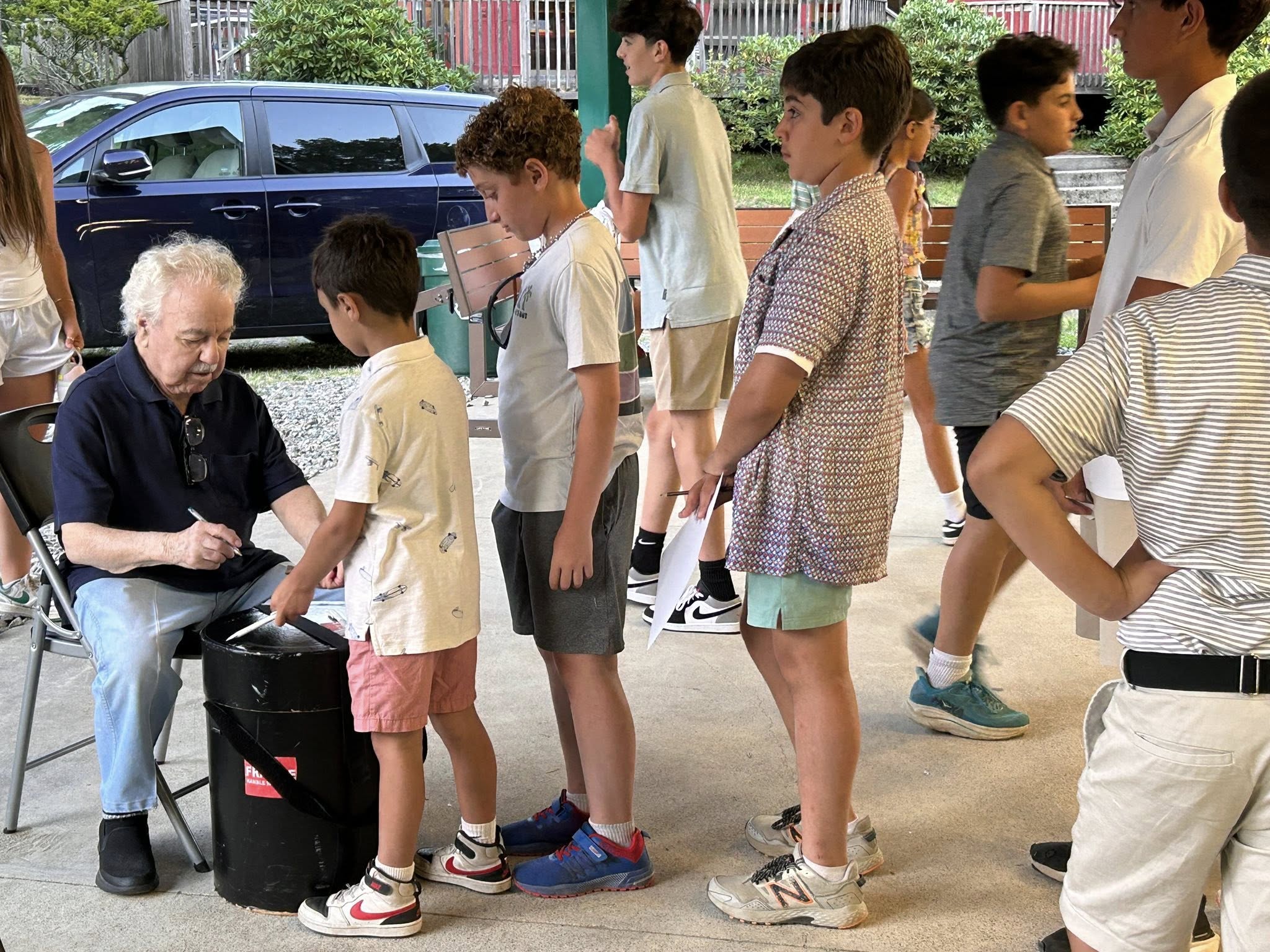
Children lined up to get Onnik’s autograph
What struck me most wasn’t just the performance, but the reaction. After he sang, Onnik had a line of kids waiting for his autograph. Not selfies. Not TikToks. Autographs. That kind of reverence speaks volumes. These young people knew they were in the presence of someone whose voice has carried the story of our people across generations.
It reminded me of a blog I recently wrote about performing with the Hye Vibes at the AYF Olympics in Chicago. There, I watched teenagers dancing to music over a hundred years old—music they felt deep in their bones, even if they couldn’t explain why. What happened at Camp Haiastan was part of that same thread: living culture.
And that’s just it: stories don’t fade when they’re sung.
It’s easy to worry about the future of our music. We talk about how traditional songs are being lost, how fewer American-born Armenian children are picking up the oud, the kanun, the clarinet. But then you witness something like this, and you realize: the roots are still strong. They just need light. They need moments like these.
So I leave you with this question:
Who are the culture-bearers we’re elevating for the next generation?
And just as importantly:
What do we owe legends like Onnik to keep this music alive—not just in archives, but in hearts?


 HYE Times